Sandy Mamoli
Sandy is one of NZ’s top Agile coaches, a powerhouse of positive energy, and a former Olympic athlete. She helps leaders and teams reach high performance with a hands-on, no-nonsense approach steeped in Agile. Co-author of Creating Great Teams, she’s a sought-after keynote speaker and serves on the Global Agile Alliance Board. She’s a high achiever through and through, she’s also (unsurprisingly) really into Hyrox.
Where it all began
Sandy has had an interesting and varied career that has shaped who she is and how she works today. She began as a professional handball player, competing in European leagues and representing Austria at the 1992 Olympic Games.
Competing at that level demanded discipline, resilience and trust in the team. Those lessons did not stay on the court. They became the foundation for how she approaches leadership, performance and organisational work today.
After retiring from professional sport, Sandy completed a master’s degree in Natural Language Processing and moved into the technology sector.
She began her technology career in system administration and telecommunications, where she was exposed early to Agile and team-based approaches to work. From 2003 onwards, she worked across Copenhagen, Stockholm and Amsterdam, helping organisations improve how teams and systems operated in complex, production environments.
In 2007, she moved to New Zealand and co-founded Nomad8, marking the start of her third career as an agile coach and organisational consultant.
Since then, she has worked with technical teams, executive groups and whole organisations. Her experience spans traditional Agile approaches, Holocracy, high-performance team development and Enterprise Agility. Rather than applying a single model, she adapts her work to fit the context, culture and goals of each organisation.
She has delivered keynote talks at international conferences including Agile Tour Montreal, Agile Brazil, Agile Africa and Agile Australia, contributing to a global community focused on improving ways of working.
In 2015, she co-authored Creating Great Teams with David Mole, a practical guide to building high-performing teams through self-selection. The second edition was released in 2025, incorporating a further decade of experience, case studies and applied learning.
If you are interested in having Sandy as your keynote speaker for your conference, team or company kick-off or leadership offsite, head over to sandymamoli.com to learn more about her talks.
Articles by Sandy
What do you do when the organisation has scaled back and you’re already as lean as you can be?
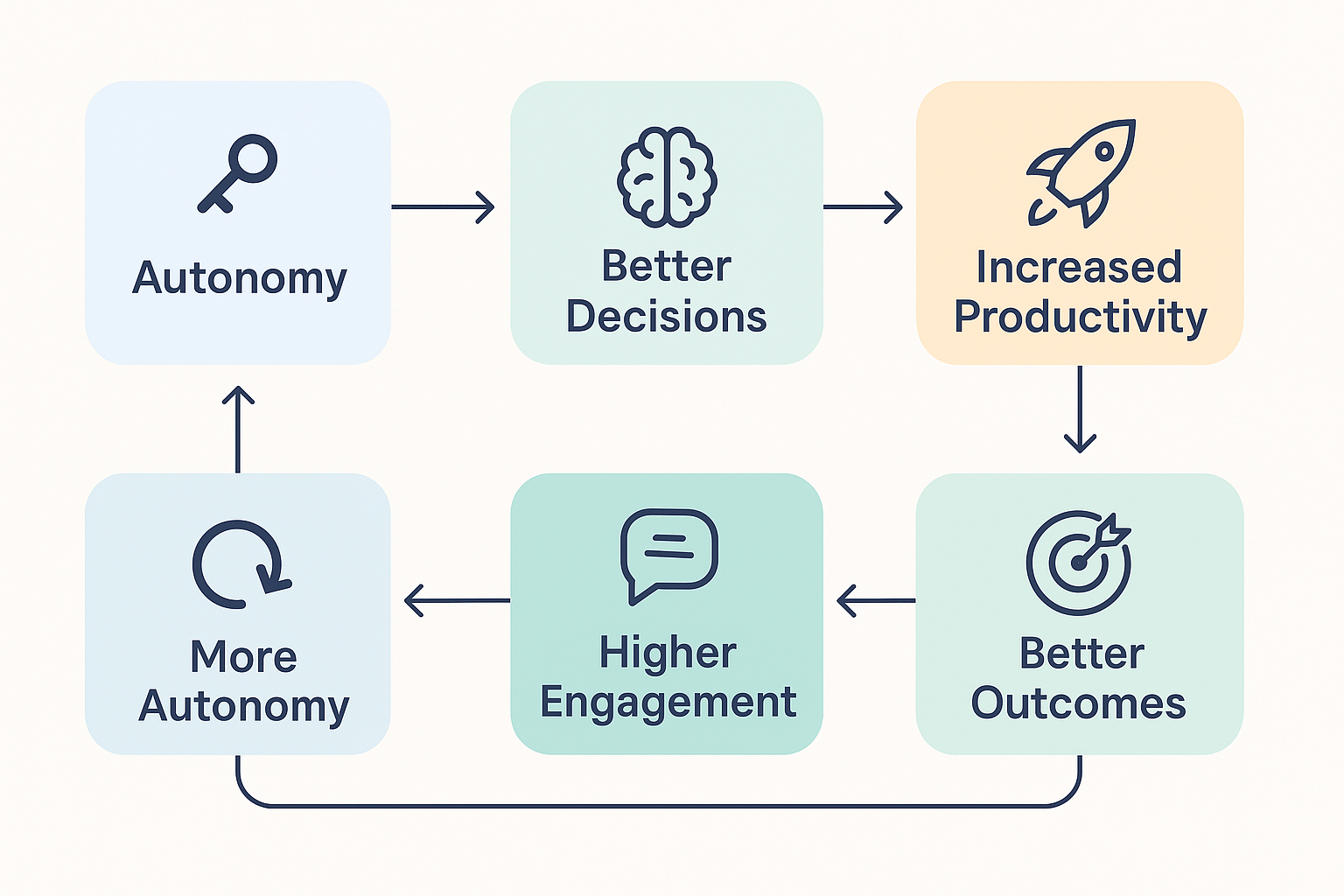
You give people more autonomy!
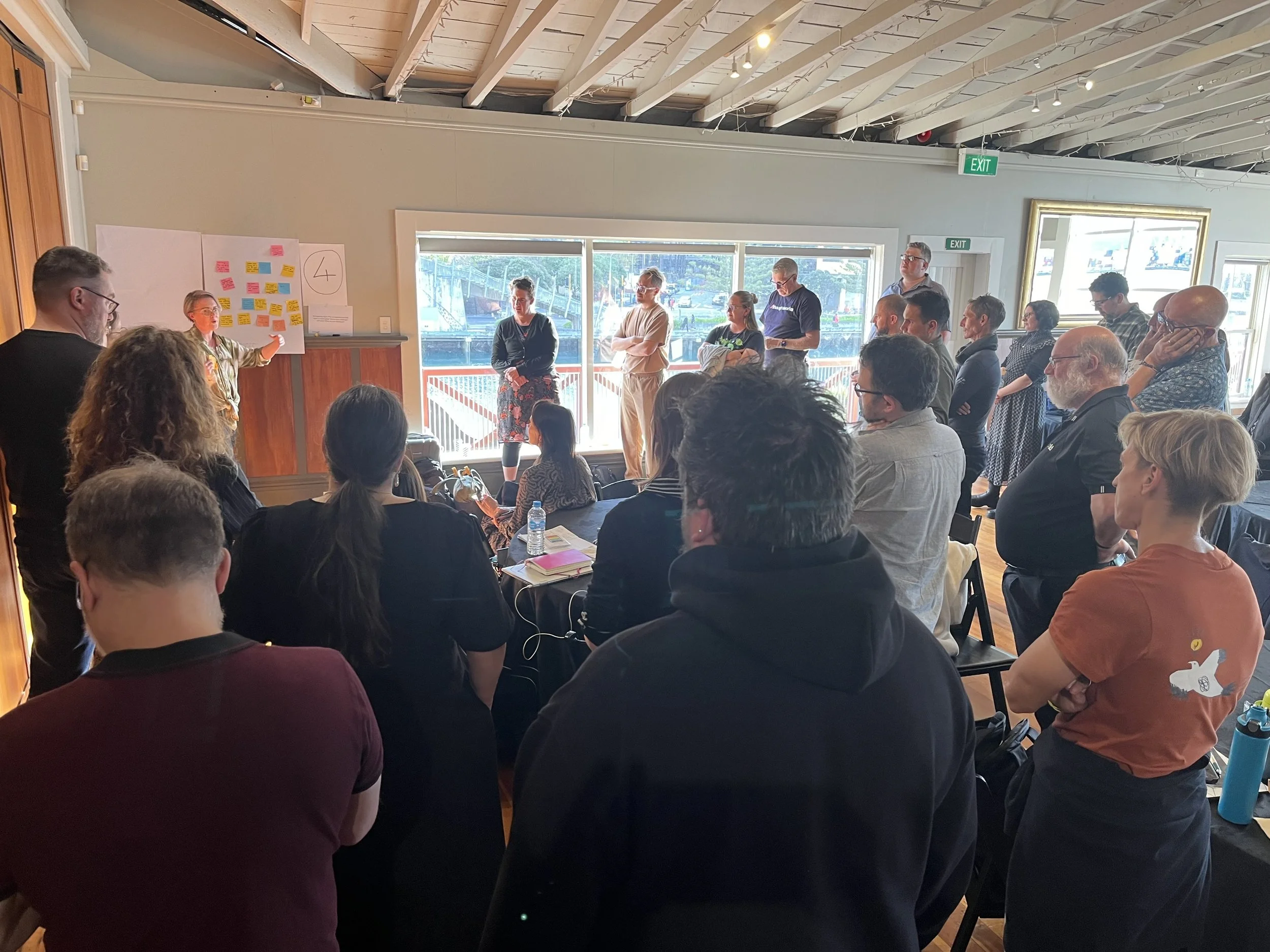
I spoke at Agile Perth about how to actually do that: With self-selecting teams, and ways to handle the freedom and responsibility that comes with choosing your own path.
I joined the Casa de Cambio podcast for a chat that went well beyond the usual buzzwords.
We asked: Why does transformation make people groan? What should we call it instead? And what traps do leaders and change agents hit when they set out to “transform” their organisations?
“Self-selection isn’t a trust fall. It’s disciplined autonomy.”
Sandy Mamoli and David Mole sat down with Biunca Hooper of the Business Agility podcast to talk about self-selecting teams: why it works, where it fails, and the simple guardrails that make it robust, not chaotic.
Have you ever noticed how some teams seem to lose their spark? How once innovative groups become cautious and dependent? Global instability, AI disruption, mass layoffs, and constant restructuring have made anxiety and fear our constant companions. These emotions…
I recently asked the audience at a conference "How many of you feel busy or overwhelmed?" Almost every hand shot up. I wasn't surprised …
David Mole and I joined Meta-Cast to share what we have learned after a decade of running self-selecting teams.
In the words of Andy Cleff, our wonderful Podcast Host from the Agile Uprising:
“Remember when letting people choose their own teams seemed completely radical?
I sure do!
Attending Agile Australia has always been a highlight of my year, and this year was extra special because I finally got the opportunity to keynote the conference. It only took me 10 years (since I first set myself that goal), but hey, lifetime achievement unlocked!...
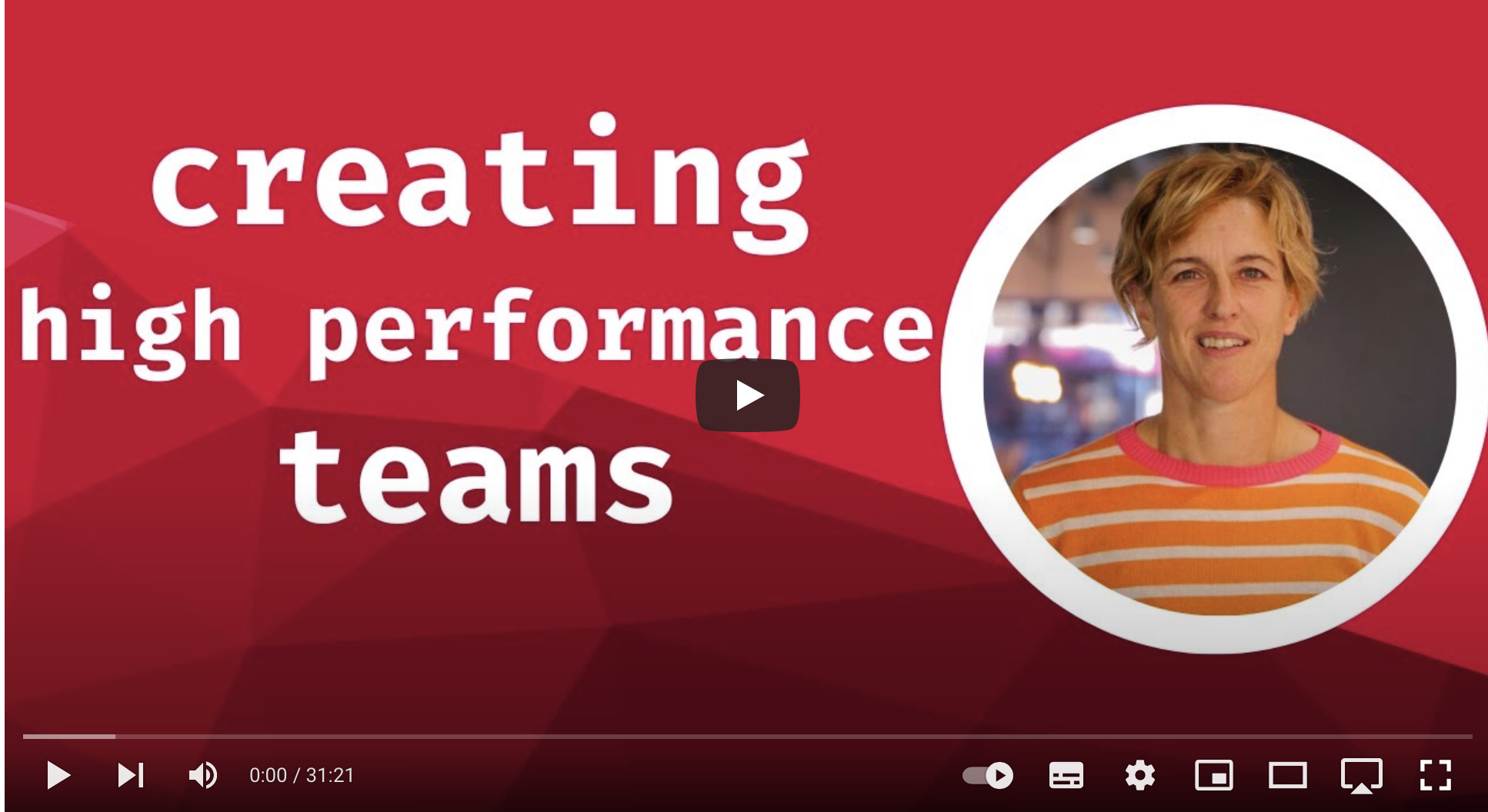
Join Vitaliy Lyoshin and me in this podcast episode we explore the world of high-performing agile teams! We discuss how teams can achieve high performance and success through behaviours, shared history, and self-selection. Here are some key takeaways: ✔️Agile teams thrive on a shared goal, mutual de...
The Reimagining Agile workshop at JAFAC was a remarkable event where the New Zealand Agile community came together to discuss, problem-solve, and envision the future of agile. Our session was framed around the idea of Reimagining Agile, emphasizing that a single document can no longer effectively re...
We ask our leaders for their trust, support and empathy – and so we should. We rightfully demand to be treated like responsible adults. But are we behaving as such?...
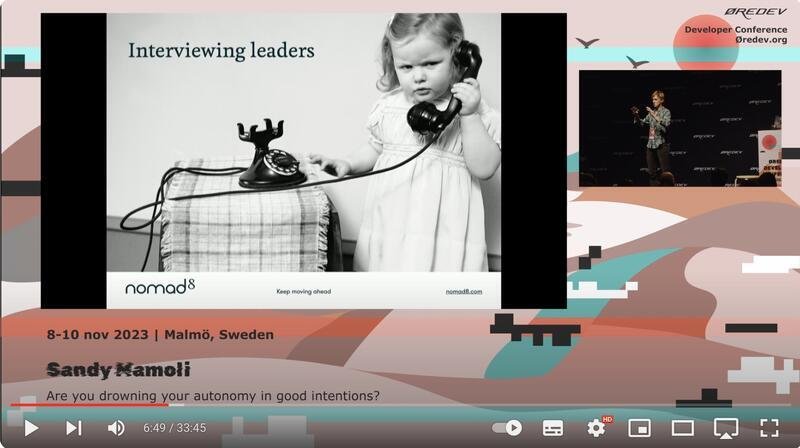
After my recent talk at Øredev in Malmö 🇸🇪 "Are you Drowning your Autonomy in Good Intentions" Remote:af's Tony Ponton and I had a brilliant conversation on @talkingremote's live chat. We talk about learned helplessness and broken relationships between leaders and people. We talk ab...
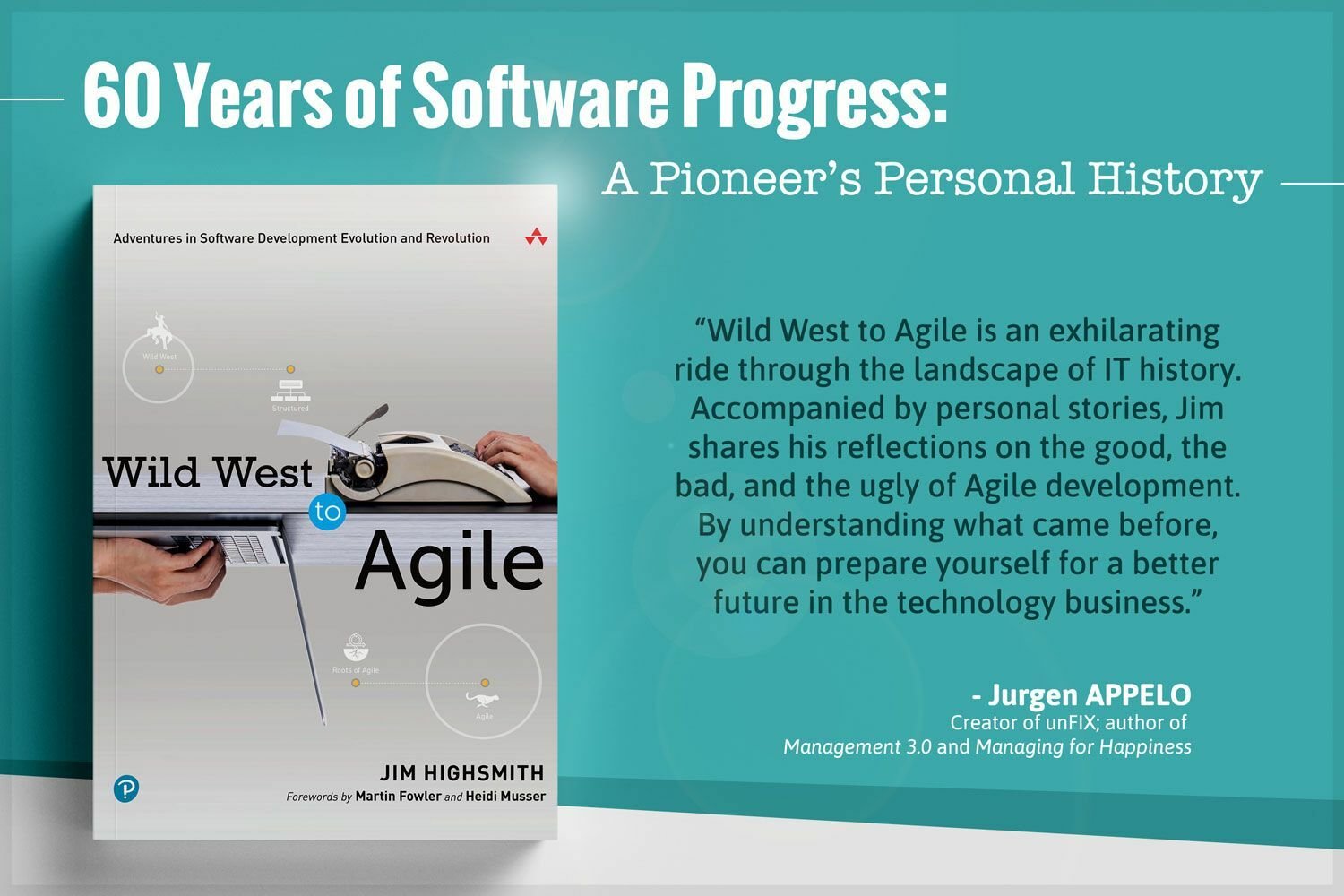
With the rapid pace of transformation in technology and work culture, it's challenging to predict what the future holds. It's clear, though, that new ways of working are emerging and they're here to stay. This workshop, based on Jim Highsmith's book "Wild West to Agile", attempts to do exactly that....
Back in 2003, when I first dipped my toes into the world of Agile, I had no idea that it would become such an integral part of my life. Two decades later, my passion for Agile ways of working hasn't waned; it's only grown stronger....
I had the great pleasure to talk to Tony Ponton in this episode of Remote:af. Tony is a former radio host and it shows! In this episode, I talk about my background as a professional athlete and software developer, and how comparing my experience as a team athlete with individual sports such as Cros...
Join Murray Robinson and Shane Gibson from the No Nonsense Agile Podcast in a conversation with Sandy Mamoli about building great teams: Why do some teams perform well and others perform poorly? The importance of skill, trust, respect, collaboration common purpose, constructive feedback and continuo...
The problem: It’s so boring! Someone joins the team: Maybe they come from another area of the business or maybe you just hired them. They might have worked agile in a previous job or they might have no idea what that means. Anyway you, the agile coach, now have to bring them up to speed so they are...
Self-Selection: The ultimate booster of autonomy and engagement Imagine, just for a moment, that I walked into your organisation and asked everyone to down tools for a day and get into teams of their choosing. That I asked everyone to choose who they wanted to work with and what they wanted to work...
At age 15 I found myself part of a team I had nothing in common with: people were at least 10 years older, they were a lot better at playing handball and we had nothing in common except for a love of the game. I felt very alone and inadequate, and just tried to hang in there practicing harder than I...
Why is it that we are still obsessed with the performance of the individual in our modern team-based organisations? Shouldn’t we measure and compare teams instead? Not for the sake of competing, but to learn from each other....
1. What is self-selection? Self-selection is a way of letting people choose which team to work in. It is a facilitated process of letting people self-organize into small, cross-functional teams. It is the fastest and most efficient way to form stable teams and is based on a belief that people are at...
SPaMCAST features Tom Cagley's interview with Sandy Mamoli. We talked about teams and the book she co-authored, Creating Great Teams: How Self-Selection Lets People Excel. Sandy’s unique perspective as a world-class athlete and Agile Coach allows her to deliver options about forming teams you didn’t...
“How do I know which team to choose and what guidelines I should apply?” “How do we make sure people make good choices, not just for themselves but for all of us?” These are the two most common questions managers and team members ask before any self-selection event. This post will provide guideline...
The performance of an individual is much less important than you think it is. The way we measure, assess, evaluate and reward individual performance is no longer relevant in the modern workplace. We need to look at different behaviours and skills and instead consider the performance of the team. W...
How Travelstart used remote self-selection to create distributed teamsOnly five months after creating cross-functional teams Travelstart, a South African travel booking website, had a change in strategy and needed to rethink their team structure. From previous hackathons the company had experience w...
"Trusting people to choose who to work with and what to work on creates not only great teams but also great organisations. I have run self-selections since 2013 and have some stories to tell." In her keynote at Agile Tour Montreal Sandy Mamoli explores the idea of self-selection. Can it improve prod...
At Agile 2019 I shared 7 lessons I have learned during an Olympic career that have helped me be successful in business and life. In the world of professional sports innovation, resilience and rapid learning are everything! In this very personal talk I share key learnings from my professional and Ol...
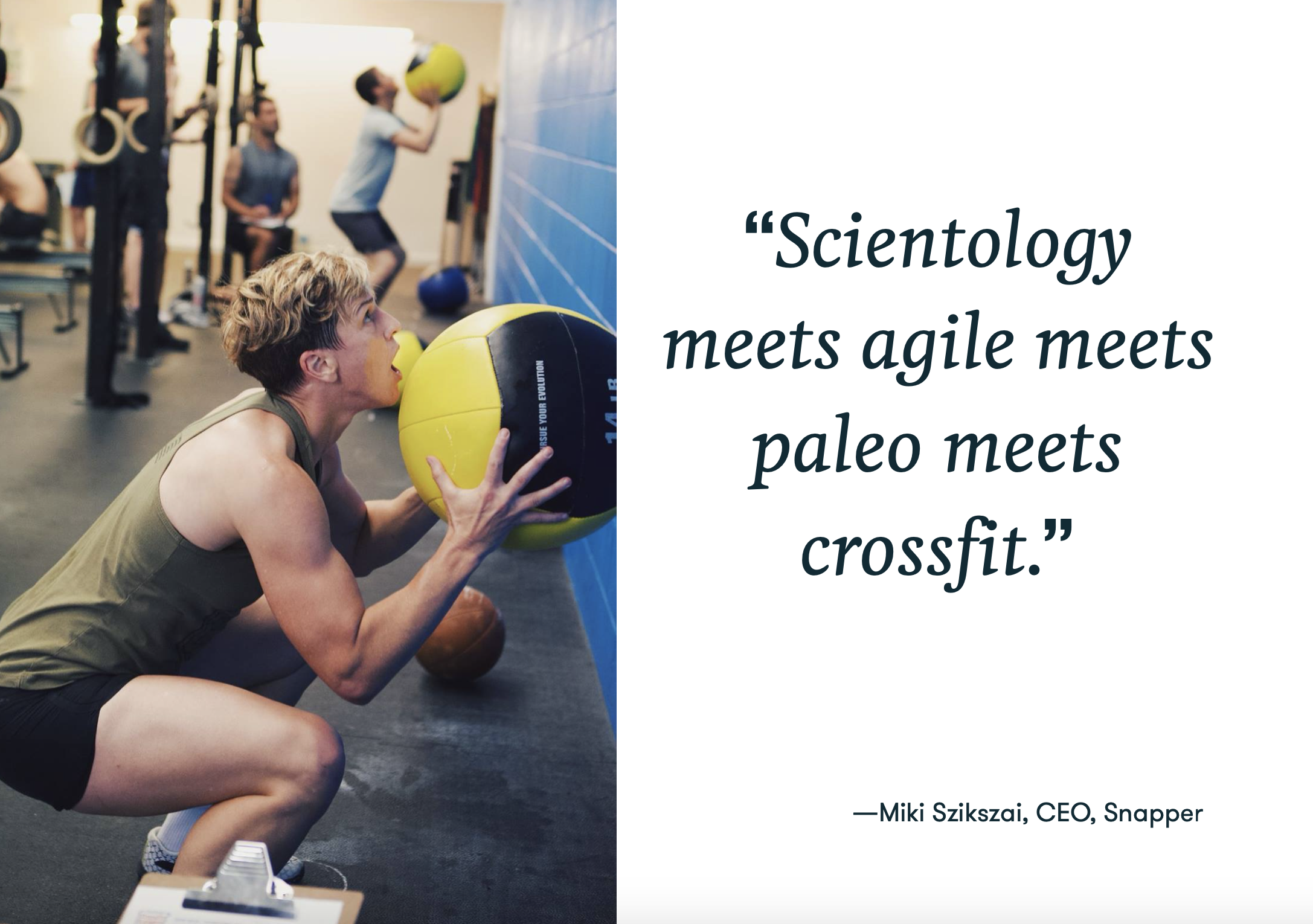
This is the story of introducing Holacracy at Snapper, a New Zealand tech company, whose CTO gave Sandy a one-line instruction: “I’d like you to make it happen.” Watch it here....
In this talk at the Business Agility Conference in Vienna Sandy Mamoli explores the idea of self-selection. Can it improve productivity and create happier teams? Sandy talks about her personal experience after more than five years of running Self-Selection teams in small and large organisations all...
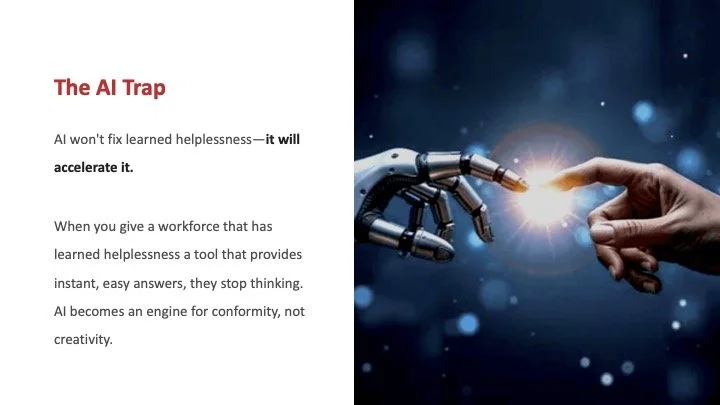
AI won't fix learned helplessness—it will accelerate it. When you give a workforce that has learned helplessness a tool that provides instant, easy answers, they stop thinking. AI becomes an engine for conformity, not creativity. Autonomy is the prerequisite for agility.